




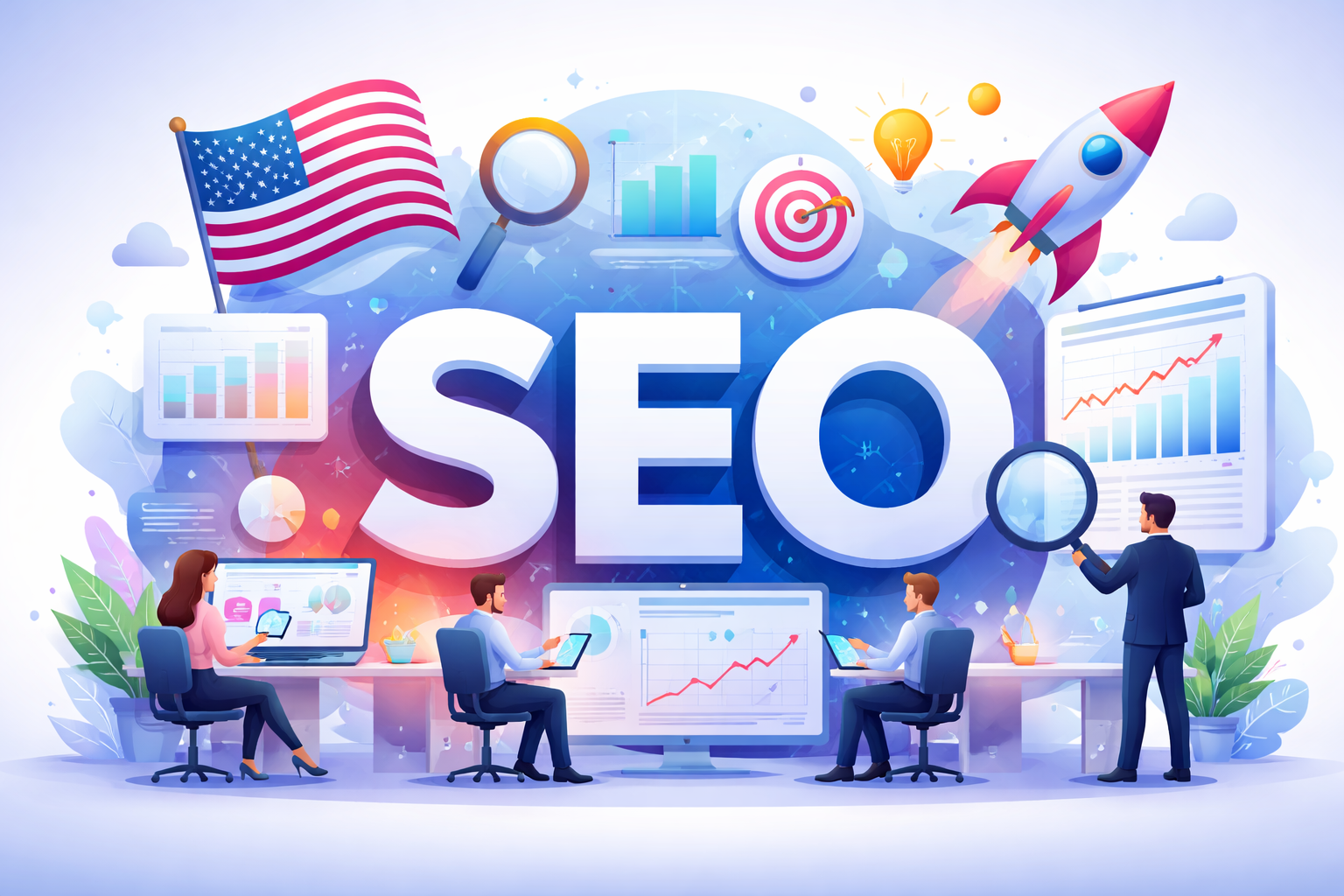
In the digital age, a strong online presence is a vital asset for any business. Whether you’re running an e-commerce website, a personal blog, or a service-based platform, the key to attracting more visitors and increasing conversions lies in your SEO strategy. USA SEO tactics, when executed correctly, can dramatically improve your website’s visibility on search engines, driving organic traffic and boosting your bottom line.
In this blog, we will delve into some of the winning USA SEO tactics that can help you dominate search rankings, increase your website’s visibility, and achieve online success. We’ll cover the most effective strategies for optimizing your website, ensuring that you’re ahead of your competitors in the highly competitive digital landscape.
1. Keyword Research: The Foundation of SEO Success
Before diving into the intricacies of SEO, it’s essential to lay the groundwork with comprehensive keyword research. Understanding the keywords and search terms your target audience is using will help guide your content creation, optimization efforts, and overall SEO strategy.
There are various tools available to help you perform thorough keyword research. Some popular tools include:
Google Keyword Planner
SEMrush
Ahrefs
Moz Keyword Explorer
When conducting keyword research, focus on finding long-tail keywords, which are more specific search phrases that are less competitive and often more targeted to your audience’s needs. For example, instead of optimizing for a broad term like “SEO,” target “affordable SEO services in the USA.” This will help you capture a more specific audience and increase the chances of ranking higher in search results.
2. On-Page SEO: Optimizing Content for Search Engines
Once you have your target keywords, it’s time to implement them strategically across your website. On-page SEO refers to optimizing elements of your website’s content to make it more search-engine-friendly. Here are some of the most important on-page SEO tactics:
Title Tags and Meta Descriptions
Your title tag and meta description are two of the first elements search engines and users will encounter when searching for your site. Ensure that your title tag is descriptive, includes your target keyword, and is no longer than 60 characters. Similarly, the meta description should briefly summarize the content of the page and also include the primary keyword, keeping it under 160 characters.
Heading Tags (H1, H2, H3)
Search engines use heading tags (H1, H2, H3) to understand the structure and content hierarchy of your page. Your main keyword should appear in your H1 tag, and secondary keywords or related phrases should be used in the H2 and H3 tags. Proper use of heading tags not only improves SEO but also enhances readability and user experience.
Content Optimization
Content is king in SEO. Ensure that your content is high-quality, informative, and engaging for your audience. When optimizing your content for USA SEO tactics, naturally integrate your target keywords throughout the text, but avoid overstuffing them. Aim for a keyword density of about 1-2% to keep the content both reader-friendly and SEO-optimized.
Additionally, ensure that your content is structured properly with short paragraphs, bullet points, and clear subheadings. This makes it easier for users to navigate and boosts the chances of being featured in Google’s Featured Snippets.
Image Optimization
Search engines also index images, so it’s essential to optimize your image files for SEO. Use descriptive, keyword-rich file names and include alt text for each image. This not only helps search engines understand what the image is about but also improves your page’s overall SEO.
3. Technical SEO: Enhancing Your Website’s Performance
Technical SEO refers to the behind-the-scenes optimizations that ensure your website runs smoothly and is accessible to both users and search engines. Key technical SEO tactics include:
Website Speed Optimization
Page load speed is one of the most important factors for both user experience and SEO. If your website takes too long to load, visitors will leave before even seeing your content, and Google will penalize your rankings. To improve page speed, you can:
Compress images
Minimize HTTP requests
Use browser caching
Implement a content delivery network (CDN)
Mobile Optimization
With the growing number of mobile users, Google has shifted to a mobile-first indexing approach, meaning that your website’s mobile version is considered the primary version. Ensure that your website is fully responsive and provides a seamless experience across all devices, from smartphones to desktops.
SSL Certification
Security is a top priority for both search engines and users. Websites with SSL certificates (those starting with HTTPS) are more likely to rank higher on Google. SSL encryption provides a secure connection between the user’s browser and the website, making it a critical component for both SEO and user trust.
Crawlability and Indexability
Ensure that search engines can easily crawl and index your website. Use an XML sitemap and a robots.txt file to guide search engine bots through your website. Additionally, check for broken links and redirects that could harm your site’s SEO.
4. Off-Page SEO: Building Authority and Credibility
Off-page SEO refers to strategies that occur outside of your website but still impact your search rankings. The most significant off-page SEO tactic is link building. When other reputable websites link to your site, search engines interpret this as a vote of confidence, increasing your website’s authority and trustworthiness.
Guest Blogging
Writing high-quality guest posts for authoritative websites within your niche can help you gain valuable backlinks. In addition to boosting your SEO, guest blogging also helps increase brand visibility and drive targeted traffic to your site.
Social Media Signals
Although social media signals (likes, shares, etc.) are not direct ranking factors for search engines, they do play an indirect role in SEO. Engaging on social media platforms and sharing content helps increase visibility, which can lead to more backlinks and organic traffic.
Influencer Marketing
Partnering with influencers in your industry to promote your brand can also boost off-page SEO. Influencers have large followings and often generate high-quality backlinks, which can significantly improve your website’s SEO performance.
5. Local SEO: Targeting Your Local Audience
For businesses targeting a specific geographical area, local SEO is essential. By optimizing your website for local search terms, you can ensure that your business appears in Google Maps and local search results. Here are some local SEO tactics:
Google My Business
Claim and optimize your Google My Business (GMB) listing. Ensure your business name, address, phone number (NAP), hours of operation, and website URL are accurate. Encourage customers to leave reviews, as these play a significant role in local SEO rankings.
Local Citations
Ensure that your business is listed in local directories, such as Yelp, Yellow Pages, and other niche-specific directories. Consistent NAP information across these listings helps search engines associate your business with a particular location.
Localized Content
Create content tailored to your local audience. For example, if you’re a service-based business in the USA, write blog posts or landing pages that address specific services or concerns relevant to your local area.
6. SEO Analytics: Measuring Your Success
Once you implement your SEO strategy, it’s essential to track your progress and measure your results. Use tools like Google Analytics, Google Search Console, and other SEO analytics platforms to monitor traffic, keyword rankings, and other vital metrics.
Track changes in your website’s ranking over time and identify which tactics are delivering the best results. Adjust your strategy accordingly to continue improving your SEO performance.
Conclusion
The world of USA SEO tactics is constantly evolving, but by implementing the right strategies, you can ensure that your website remains competitive and visible on search engines. From keyword research to on-page and off-page SEO, there are countless ways to improve your website’s ranking and drive organic traffic.
By focusing on high-quality content, technical optimization, and link-building efforts, you can stay ahead of the competition and build a solid SEO foundation for long-term success.
If you’re ready to take your SEO strategy to the next level, Liss Solutions can help. Our team of experts specializes in creating customized SEO strategies that drive real results. Get in touch with us today by emailing info@lisssolutions.com or visiting our Contact Page to learn more about how we can help your business thrive online.
3 Comments
ursodiol cost
ursodiol cost
levitra generico
levitra generico
diflucan over the counter canada
diflucan over the counter canada