




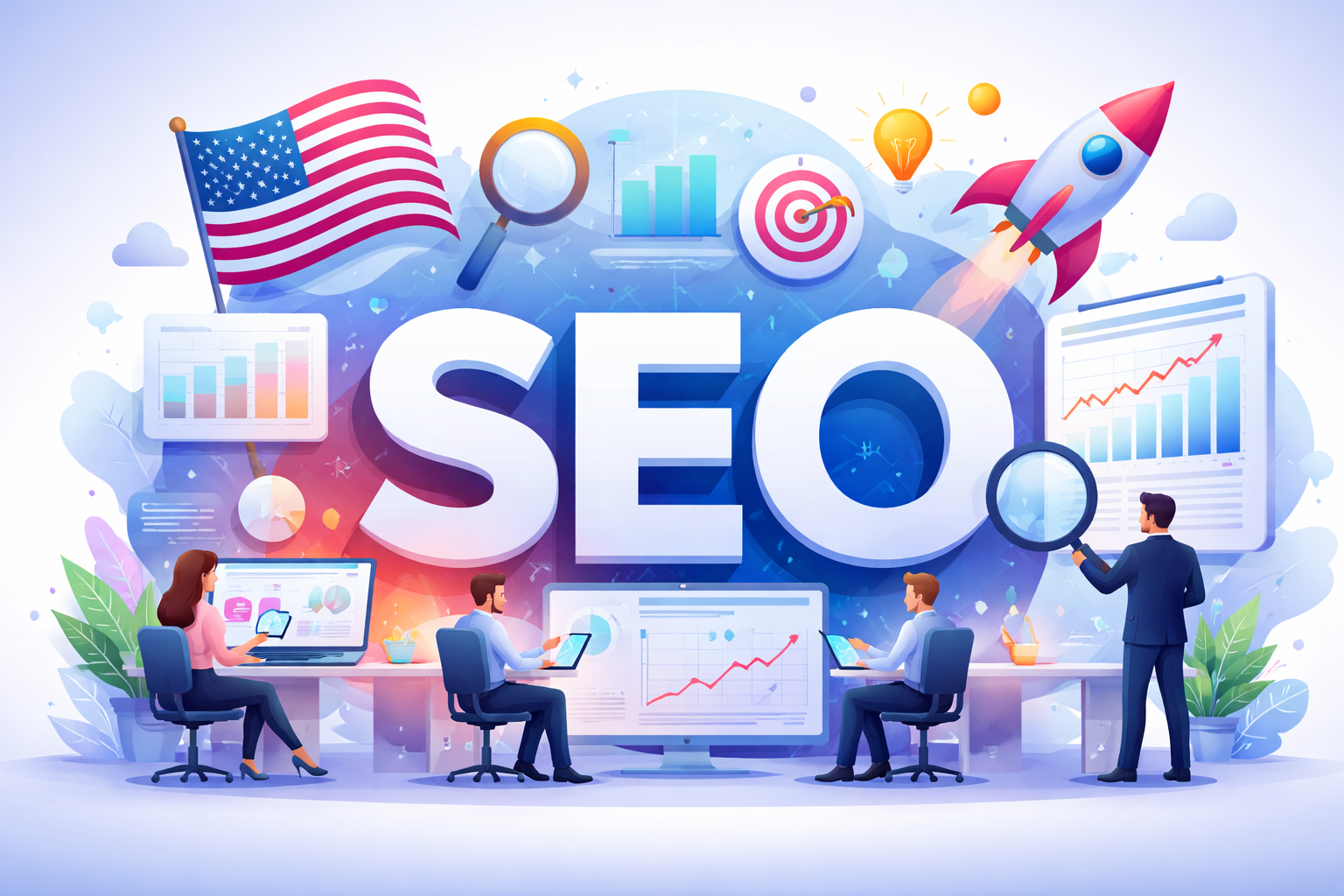
In today’s digital age, search engine optimization (SEO) has become a vital tool for businesses looking to enhance their online presence and reach more customers. If you’re a business owner in the USA or anywhere else, understanding how SEO can elevate your online efforts is crucial. But how exactly can you ensure that your SEO strategies are effective, sustainable, and aligned with your business goals? In this blog, we’ll guide you through proven strategies to help you elevate your USA SEO efforts, and show how Liss Solutions can be your trusted partner in achieving SEO success.
Why SEO Matters for Businesses in the USA
The importance of SEO cannot be overstated. Whether you’re running an e-commerce website, a local service business, or an informational blog, SEO plays a pivotal role in helping your site rank higher in search engine results pages (SERPs). Higher rankings increase your visibility, attract more organic traffic, and ultimately lead to more conversions.
As the online marketplace grows more competitive, businesses must stay on top of SEO trends and best practices. In the USA, where millions of businesses operate in a highly competitive digital space, standing out is more challenging than ever. That’s where effective SEO efforts can make a significant difference.
Key Elements of Elevating Your USA SEO Efforts
To elevate your SEO efforts in the USA, you need to focus on several core components. Let’s break them down into actionable strategies:
1. Targeting the Right Keywords
Effective keyword research is the foundation of SEO. Understanding what your potential customers are searching for and targeting those specific phrases can significantly improve your chances of ranking higher in search engines.
Use Keyword Research Tools: Tools like Google Keyword Planner, SEMrush, and Ahrefs can provide insights into search volume, competition, and relevant keywords for your industry.
Focus on Long-Tail Keywords: While short keywords are important, long-tail keywords tend to have lower competition and higher conversion rates. For example, instead of just targeting “SEO,” you might target “SEO services for small businesses in the USA.”
Consider Search Intent: Understand the intent behind the searches your target audience is making. Are they looking for information, products, or services? Tailoring your content to meet their needs can significantly boost your rankings.
2. On-Page SEO Optimization
On-page SEO refers to the practices you use within your website to make it more search-engine friendly. Here’s a list of critical on-page elements you should optimize:
Title Tags: Craft unique, keyword-rich titles for each page on your site. The title tag should be compelling and provide a clear idea of what your page offers. Google typically displays the first 50-60 characters, so keep it concise.
Meta Descriptions: While meta descriptions don’t directly affect rankings, they play a role in improving click-through rates (CTR). Write clear, concise, and engaging descriptions that include your target keywords.
URL Structure: URLs should be simple, readable, and include your target keywords. For example, a URL like “/usa-seo-services” is cleaner and more SEO-friendly than “/post12345.”
Content Optimization: High-quality content is king in SEO. Ensure your content is engaging, informative, and includes relevant keywords naturally. Avoid keyword stuffing, as it can harm your rankings.
Image Optimization: Images should be optimized for faster load times. Use descriptive alt tags and compress images to improve page load speed, which is a ranking factor.
3. Technical SEO for Faster, More Efficient Websites
A technically sound website enhances user experience and ensures that search engines can crawl, index, and understand your content effectively. Here are a few technical SEO considerations for elevating your USA SEO efforts:
Mobile Friendliness: With mobile devices accounting for over half of all web traffic, having a responsive, mobile-friendly site is essential. Google uses mobile-first indexing, so ensure your website adapts seamlessly to mobile screens.
Site Speed: Slow loading times can result in high bounce rates and lower rankings. Use tools like Google PageSpeed Insights to assess your site’s speed and follow the recommendations to optimize it.
XML Sitemaps: An XML sitemap helps search engines understand the structure of your site and crawl it more effectively. Submit your sitemap to Google Search Console for better indexation.
SSL Security: Having an SSL certificate (HTTPS instead of HTTP) is crucial not only for security but also for SEO. Google considers HTTPS as a ranking factor, and users are more likely to trust your website if it is secure.
Fix Broken Links: Broken links, both internal and external, can harm your website’s SEO. Regularly check for and fix broken links using tools like Screaming Frog or Ahrefs.
4. Off-Page SEO and Link Building
Off-page SEO refers to activities outside of your website that can impact your rankings. One of the most important off-page SEO factors is link building.
Quality Over Quantity: Focus on building high-quality backlinks from reputable, authoritative websites in your industry. Links from low-quality sites can harm your rankings and hurt your website’s credibility.
Guest Blogging: Guest blogging on relevant sites can help you build backlinks while showcasing your expertise. Make sure the blogs are authoritative and relevant to your niche.
Social Media Engagement: Social signals (shares, likes, comments) indirectly affect SEO. Although Google doesn’t use social media signals as direct ranking factors, increased visibility and traffic from social media can help boost your site’s authority and traffic.
Local Listings: For businesses targeting a local audience, local SEO is key. Ensure that your business is listed on Google My Business, Yelp, and other relevant local directories. Optimize your listing with accurate information, images, and reviews.
5. Content Strategy for Ongoing SEO Success
Content marketing is a powerful SEO strategy that can help you build trust with your audience and establish authority in your industry. Here’s how to develop a solid content strategy:
Blogging: Regular blog posts about industry-related topics can drive traffic, improve keyword rankings, and position your business as an authority. Aim for a mix of informational, transactional, and educational posts.
Video Content: Video content is becoming increasingly important for SEO. Platforms like YouTube rank in Google’s SERPs, and video content can engage users, keep them on your site longer, and improve user experience.
Infographics and Visual Content: Infographics, charts, and other visuals can make your content more engaging and shareable, boosting traffic and backlinks.
Content Length: Longer-form content tends to perform better in search rankings, especially if it provides thorough, well-researched, and valuable information. Aim for posts that are at least 1,500 words for detailed coverage of the topic.
6. Local SEO to Target the USA Audience
If your business is focused on a specific geographic location within the USA, optimizing for local SEO is essential. Here’s what to focus on:
Local Keywords: Include location-specific keywords in your content and meta tags. For example, if you’re providing SEO services in New York, target keywords like “SEO services in New York City” or “best SEO agency in NYC.”
Google My Business: Claim and optimize your Google My Business profile. Ensure that your business information (name, address, phone number, website) is consistent across all platforms.
Local Reviews: Encourage satisfied customers to leave reviews on Google, Yelp, and other relevant platforms. Positive reviews boost your credibility and influence rankings in local searches.
7. Measure, Analyze, and Adjust Your SEO Strategy
SEO is not a one-time task. To ensure your efforts are paying off, you need to monitor your progress and adjust your strategy accordingly.
Google Analytics: Use Google Analytics to track your website traffic, user behavior, bounce rate, and conversion rates. This data will help you identify what’s working and where improvements are needed.
Google Search Console: Google Search Console provides valuable insights into how Google views your site. It helps you monitor your site’s health, identify crawl errors, and track keyword performance.
Regular Audits: Conduct SEO audits periodically to identify issues and optimize your site. Tools like SEMrush, Ahrefs, and Moz can help you perform comprehensive audits.
Conclusion: Ready to Elevate Your USA SEO Efforts?
Implementing the strategies mentioned above will help you elevate your USA SEO efforts and improve your website’s visibility, traffic, and conversions. SEO is a continuous process that requires consistent effort, but the rewards are well worth it. Whether you need help with keyword research, on-page SEO, or building quality backlinks, Liss Solutions is here to help.
If you’re ready to take your SEO efforts to the next level and increase your business’s visibility, reach out to us today. Our team of experts can provide tailored SEO strategies that align with your goals and drive real results.
1 Comment
cipropol
cipropol