




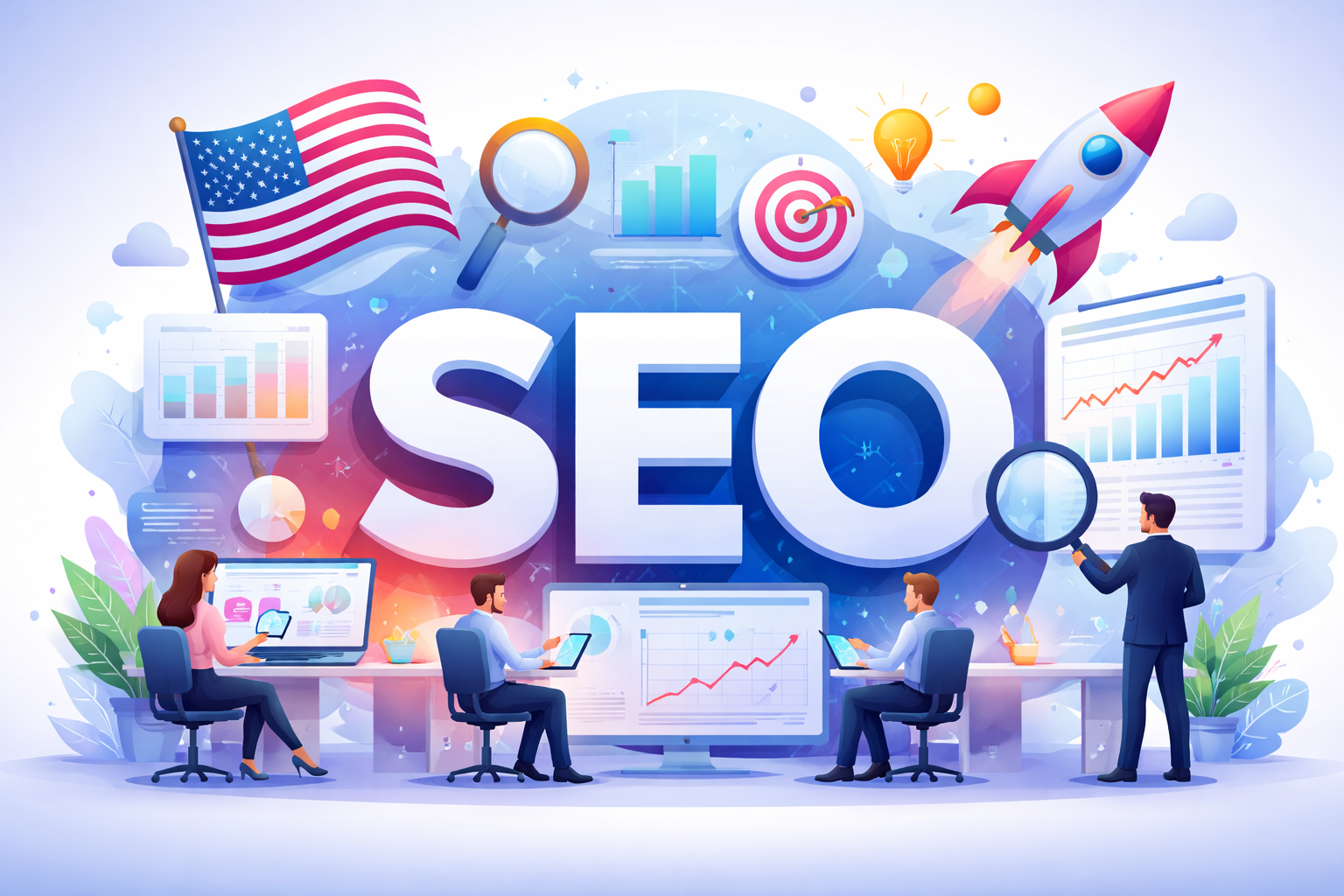
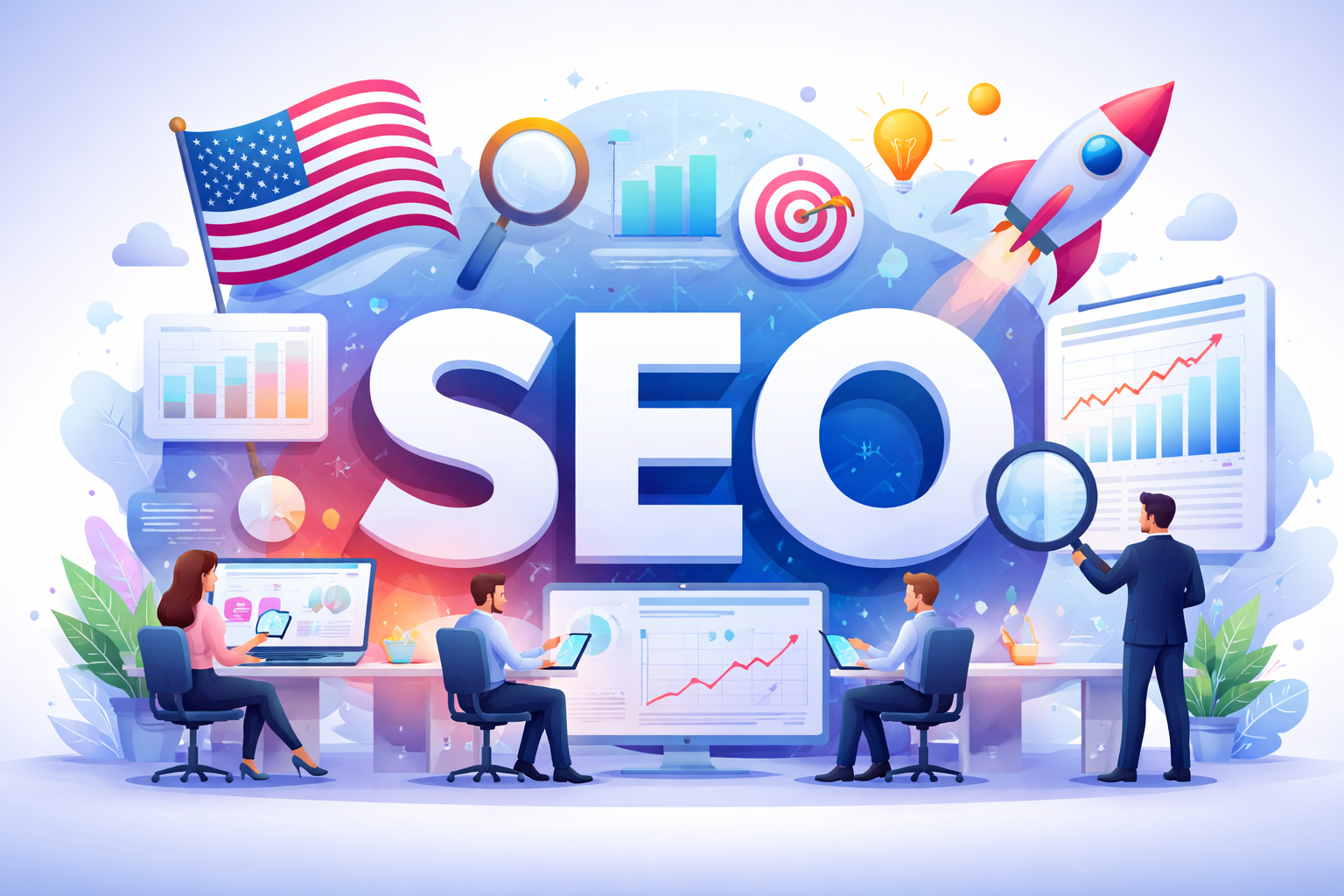
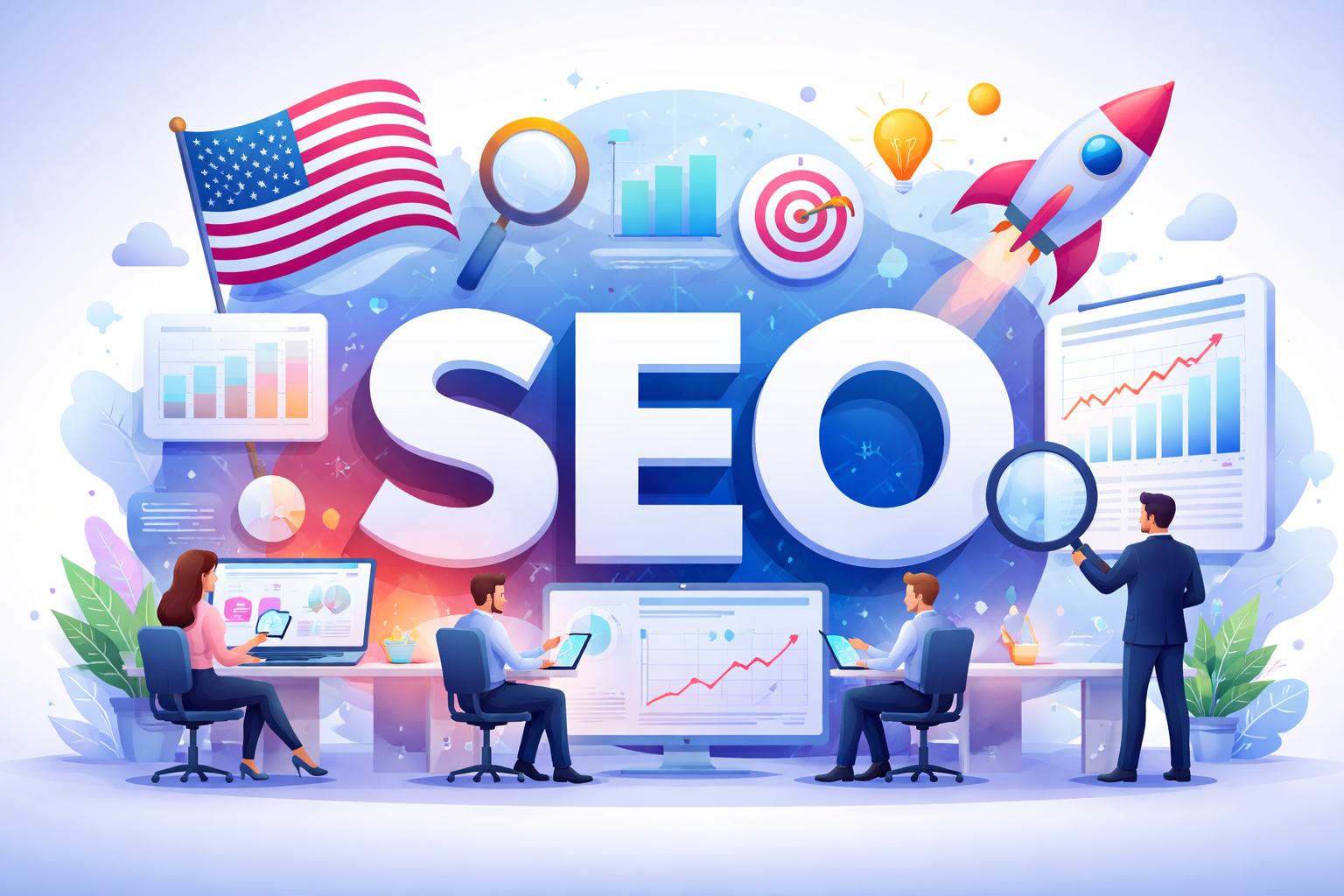
In today’s competitive digital landscape, businesses that wish to thrive online must prioritize Search Engine Optimization (SEO). SEO is the cornerstone of any effective online marketing strategy, ensuring that your website ranks higher on search engines like Google, Bing, and Yahoo. However, while SEO is essential, not all SEO strategies are created equal. If you’re targeting a specific audience, such as users in the United States, it’s critical to fine-tune your approach to amplify SEO for USA audiences.
In this blog post, we will explore effective strategies that will help your business optimize its SEO for USA audiences. Whether you’re looking to increase traffic, drive conversions, or expand your customer base, these tips will give you the insight needed to achieve success.
What Is SEO and Why Is It Important for USA Audiences?
Before diving into strategies, let’s clarify what SEO is and why it’s crucial for USA audiences.
SEO refers to the process of optimizing your website so that it ranks higher on search engine results pages (SERPs). A higher rank means more visibility, more organic traffic, and ultimately, more business opportunities. For USA-based businesses or businesses targeting U.S. customers, optimizing for local search engines and understanding the nuances of the American market is essential.
By amplifying SEO for USA audiences, you ensure that your website is easily discoverable by the right people, in the right places, and at the right time. This is especially critical in a highly competitive digital space where businesses are constantly vying for attention.
Key SEO Strategies to Amplify Your Website for USA Audiences
To amplify SEO for USA audiences, it’s vital to implement a variety of strategies. Here are some key tactics that will improve your website’s ranking and visibility:
1. Target the Right Keywords for the U.S. Market
The foundation of any SEO strategy is the keywords you target. When optimizing for USA audiences, it’s important to focus on the specific terms and phrases that U.S. users are likely to search for. While international keywords may overlap, U.S.-based searches may have distinct patterns, slang, or regional terms that should be taken into account.
Use U.S.-centric Keywords: Research keywords that are popular in the U.S., including long-tail keywords and local search terms. Tools like Google Keyword Planner and SEMrush can help identify the best keywords for your target market.
Focus on Local SEO: For businesses targeting specific U.S. cities or states, local SEO is critical. Ensure that your keywords reflect geographic locations, such as “SEO services in New York” or “best digital marketing in Los Angeles.”
Leverage Voice Search: With the rise of voice search in the U.S., it’s essential to target conversational keywords. Consider how people ask questions when using voice assistants like Siri, Alexa, or Google Assistant.
2. Optimize Your Website for Mobile Devices
In the U.S., over 60% of internet searches are conducted on mobile devices. If your website is not mobile-friendly, you are likely losing a significant amount of traffic. Google has also implemented mobile-first indexing, meaning it primarily uses the mobile version of a website for ranking.
Responsive Design: Ensure that your website is responsive, meaning it adjusts to any screen size. This ensures a smooth user experience for all visitors, whether they are browsing from a desktop or a smartphone.
Page Speed: Google has made it clear that page speed is a ranking factor, and mobile users expect fast load times. Use tools like Google PageSpeed Insights to check your website’s performance and identify areas for improvement.
3. Create Localized Content for U.S. Audiences
One of the best ways to amplify your SEO for USA audiences is by creating content that resonates with U.S. users. Localized content can significantly enhance your website’s relevance to a specific audience. By focusing on topics that matter to Americans, you improve your chances of ranking higher in local search results.
Focus on U.S. Trends: Keep an eye on trends, news, and topics that are popular in the U.S. Write blog posts, articles, and case studies that address current events or issues affecting U.S. consumers.
Utilize Local Landmarks or Events: Reference specific landmarks, events, or cultural references that U.S. audiences can relate to. This adds authenticity to your content and increases its appeal.
Engage with Local Audiences: Encourage feedback, comments, and discussions from U.S. users on your blog and social media pages. This engagement signals to search engines that your content is relevant to the target audience.
4. Optimize for U.S. Backlinks
Backlinks from reputable sources can boost your website’s authority and improve its SEO ranking. To amplify SEO for USA audiences, it’s important to focus on acquiring high-quality backlinks from U.S.-based websites.
Guest Posting: Reach out to U.S.-based blogs, news outlets, and websites to offer guest posts. This can help build valuable backlinks and increase your website’s visibility within the U.S. market.
Local Business Listings: Get listed on U.S.-based business directories such as Yelp, BBB, and Google My Business. These listings not only drive traffic but also improve your local SEO.
Collaborate with U.S. Influencers: Partner with U.S.-based influencers or industry leaders to promote your content and gain authoritative backlinks.
5. Leverage Google My Business for Local SEO
If you’re a local business in the U.S., optimizing your Google My Business (GMB) profile is a must. Google My Business allows businesses to appear in local search results, providing essential information like your business name, address, phone number, and hours of operation.
Claim Your GMB Profile: Make sure your business is claimed on Google My Business. Verify your business and ensure all information is accurate and up-to-date.
Use Google Posts: Google My Business allows businesses to create posts that appear in local search results. These posts can highlight promotions, new products, or services, and even link to blog content.
Encourage Reviews: U.S. consumers trust online reviews. Encourage your customers to leave positive reviews on your Google My Business page to improve your credibility and local ranking.
6. Focus on User Experience (UX)
User experience plays a crucial role in SEO rankings. Google’s algorithms prioritize websites that provide a positive and seamless experience for users. A site that is easy to navigate, fast, and engaging will retain visitors longer and reduce bounce rates—two factors that contribute to better rankings.
Simple Navigation: Ensure your website has a clean and simple navigation structure. U.S. users should be able to easily find what they’re looking for without confusion.
High-Quality Multimedia: Use images, videos, and infographics to make your content more engaging. Multimedia is a great way to enhance user experience and boost time spent on your site.
Interactive Features: Incorporate interactive elements such as quizzes, surveys, or chatbots to engage users and improve their overall experience.
7. Use Structured Data and Schema Markup
Structured data is a powerful tool that can help search engines understand your content more clearly. By implementing schema markup, you can provide additional context to your website’s content, increasing the chances of appearing in rich snippets, which can improve click-through rates.
Schema for Local SEO: Use local business schema to provide search engines with key information about your business, such as your location, hours, and contact information.
Enhanced Rich Snippets: Structured data can help you appear in enhanced search results, such as review stars, event details, or pricing information.
8. Monitor and Analyze SEO Performance
To ensure that your SEO efforts are effective, it’s important to track and analyze your performance regularly. Google Analytics and Google Search Console are valuable tools for monitoring traffic, user behavior, and keyword rankings.
Track Your Rankings: Keep an eye on how your website is performing for key keywords. Use tools like Ahrefs or SEMrush to track keyword rankings and identify areas for improvement.
Analyze User Behavior: Pay attention to how U.S. users interact with your website. Are they leaving quickly? Are they engaging with your content? This information can help you refine your SEO strategy.
Final Thoughts on Amplifying SEO for USA Audiences
Amplifying SEO for USA audiences requires a multi-faceted approach, from targeting the right keywords to optimizing for mobile devices and focusing on local SEO. By following these strategies, you’ll improve your website’s ranking, visibility, and user engagement within the U.S. market.
At Liss Solutions, we understand the intricacies of SEO for USA audiences, and our team is equipped with the expertise to help you amplify your SEO strategy. If you’re ready to take your SEO efforts to the next level, don’t hesitate to reach out to us.
Contact Us
To get started, feel free to email us at info@lisssolutions.com or visit our contact page for more details. Let’s work together to boost your online presence and drive measurable results.
2 Comments
minocycline
minocycline
fluconazole for yeast infection
fluconazole for yeast infection